Wine and cellars3 min read
Why is Alsace the pioneer of biodynamic wine?
Updated on
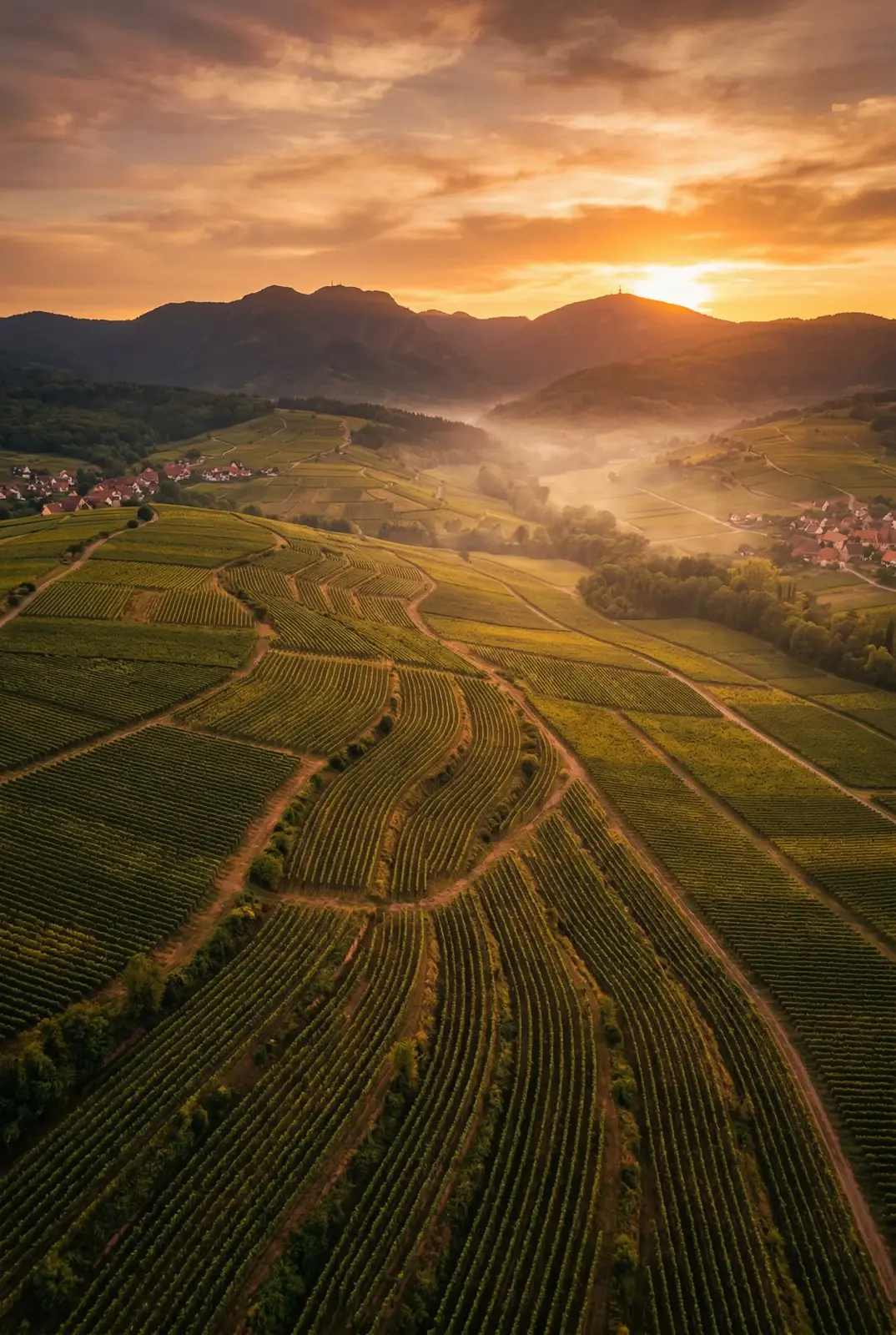
In brief
Alsace is the French birthplace of biodynamics: the Eugene Meyer estate in Bergholtz has practised it since 1969, a first in the national vineyard. The region now has one of the highest densities of Demeter or Biodyvin certified estates in France, including major names such as Zind-Humbrecht and Marc Kreydenweiss. Biodynamics goes further than organic: it treats the vineyard as a living ecosystem.
If biodynamics has become a selling point on wine lists worldwide, Alsace deserves part of the credit. Long before the trend, Alsace winemakers bet on a viticulture free of synthetic chemistry, paced by natural cycles. The result: an exceptional density of certified estates, including some of the vineyard's greatest names. Here is what the word biodynamics really covers, how to spot genuine commitments, and where to live the experience in the cellar.
1969: Alsace invents French biodynamic winegrowing
The story begins in Bergholtz, near Guebwiller, when Eugene Meyer converted his estate to biodynamics in 1969, a first in France. The approach draws on the principles laid out by the philosopher Rudolf Steiner in 1924: treating the estate as a living organism, feeding the soil with natural preparations based on plants and compost, and timing vineyard work to lunar and seasonal cycles. Long viewed with scepticism, the method spread across the whole Alsace vineyard, up to its most prestigious estates, and Alsace remains one of the regions in the world where it is most practised.
Organic, biodynamic, natural: three words, three realities
These terms are often confused although they describe different commitments:
- Organic wine: viticulture without synthetic pesticides or fertilisers, certified by the European organic label
- Biodynamic wine: organic, plus natural preparations and respect for cycles; certified by Demeter or Biodyvin
- Natural wine: winemaking without additives, notably little or no added sulphur; no official certification
- An estate can combine all three approaches, biodynamics always including the organic base
What biodynamics changes in the glass
Advocates of biodynamics claim more vibrant wines, more precise in their expression of terroir, with better preserved natural acidities. Comparative tasting is the best judge: the biodynamic Rieslings of the vineyard are among the most saline and tense in Alsace. Beyond taste, these estates often offer the most fascinating visits: walking through a grass-covered vineyard where you hear the birds, seeing the plant-based preparations, understanding the link between living soil and a wine of character. It is another way to discover the Wine Route, closer to the land.
The biodynamic estates to visit on the Wine Route
The list of certified estates is long, a sign of Alsace's vitality. Among the references open to visitors: Zind-Humbrecht in Turckheim, whose Olivier Humbrecht long chaired the Biodyvin association, Marc Kreydenweiss in Andlau, a pioneer of the 1980s, Valentin Zusslin in Orschwihr, Barmes-Buecher in Wettolsheim, Josmeyer in Wintzenheim, and Eugene Meyer in Bergholtz, the historic estate. Most require an appointment, and tastings there tend to be longer and more narrated than elsewhere: an ideal format for a day with a driver, where you take your time without counting the glasses.
Frequently asked questions
What was the first biodynamic wine estate in France?
The Eugene Meyer estate in Bergholtz, Alsace, converted to biodynamics in 1969. It is the starting point of French biodynamic winegrowing, well before it spread to other regions.
What is the difference between organic and biodynamic wine?
Organic bans synthetic pesticides and fertilisers; biodynamics adds natural preparations to energise the soils and times the work to natural cycles. Every certified biodynamic wine is also organic; the reverse is not true.
How do you recognise a biodynamic wine on the shelf?
Look for the Demeter or Biodyvin logos on the label or back label. They are the two reference certifications, with specifications audited every year.
Can you visit biodynamic estates in Alsace?
Yes, most welcome visitors by appointment, with visits often more in-depth than average: vineyards, cellar and guided tasting. An accompanied tour lets you discover two or three in a day without any logistics.
Ready to plan your day?
Build your custom itinerary or browse our ready-to-book tours.